| نام تجاری: | Aile |
| شماره مدل: | 10Fr-20Fr |
| مقدار تولیدی: | 5000 قطعه |
| قیمت: | قابل مذاکره |
| شرایط پرداخت: | L/C، T/T |
| توانایی عرضه: | 1000000 عدد در هفته |
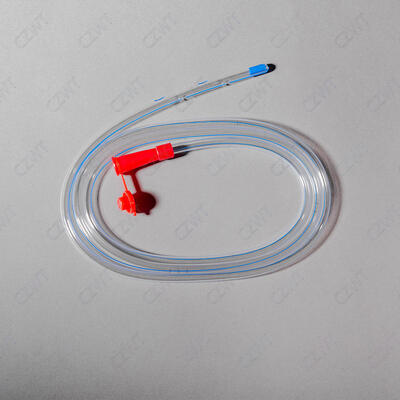
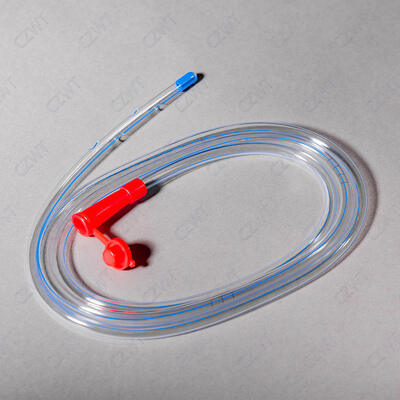
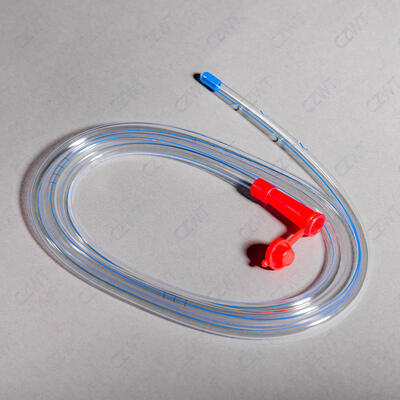
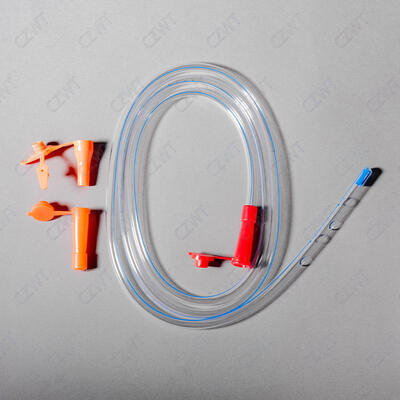
Suction Ryle’s Tube – Soft PVC with Ergonomic Design for Quick and Safe Use
The Suction Ryle’s Tube is a medical device specifically designed for effective gastric suctioning, drainage, and decompression. Made from soft PVC material, this tube features a unique ergonomic design, ensuring quick and safe use for both patients and healthcare providers. This tube is typically used in clinical settings such as hospitals, intensive care units (ICUs), and emergency rooms, as well as in home healthcare environments where gastric decompression is needed. Whether for post-operative care, gastric lavage, or nasogastric feeding, this suction Ryle’s tube provides reliable, efficient, and comfortable support for patients.
Key Features & Advantages
![]()
Material Differences
Suction Ryle’s tubes are primarily made from different materials such as latex, PVC, and silicone, each with its unique advantages.
PVC (Polyvinyl Chloride): This product is made from soft PVC, which is both flexible and durable. It is a cost-effective material that is ideal for single-use medical devices. PVC is easy to manufacture and is resistant to degradation when exposed to various medical fluids, ensuring long-lasting performance. Soft PVC has a smooth texture, reducing the chance of irritation to sensitive tissues during insertion or removal.
Silicone: Silicone tubes, though less common, are softer and more biocompatible than PVC. They are generally used in devices that require prolonged use or that are inserted into the body for extended periods. Silicone is hypoallergenic and more flexible but tends to be more expensive than PVC.
Latex: While latex was once commonly used in medical tubing, it is now less favored due to the increased prevalence of latex allergies. Unlike PVC and silicone, latex is not as commonly used in Ryle’s tubes, as it can cause allergic reactions in sensitive individuals.
Overall, soft PVC strikes a good balance between cost-effectiveness, comfort, and durability, which is why it is commonly used for disposable suction Ryle’s tubes.
Common Uses
| Specification | Details |
|---|---|
| Material | Soft, Non-Toxic PVC |
| Design | Ergonomic, Pre-Lubricated for Easy Insertion |
| Sterility | Sterile, Single-Use |
| Radiopaque Line | Yes, for Accurate Placement Monitoring via X-ray |
| Sizes Available | 6Fr, 8Fr, 10Fr, 12Fr |
| Length | Available in 40 cm, 60 cm, 80 cm |
| Outer Diameter | 6Fr to 12Fr |
| Packaging | Individually packed in sterile packaging |
| Shelf Life | 5 years |
Who Should Use This Product?
The Suction Ryle’s Tube is designed for use in a wide variety of clinical settings, including:
In conclusion, the Suction Ryle’s Tube – Soft PVC with Ergonomic Design for Quick and Safe Use offers a high-quality solution for gastric suctioning and decompression. Its ergonomic design, soft PVC material, and sterile properties make it an essential tool for healthcare providers. This tube ensures both patient comfort and safety, while optimizing ease of use in clinical environments.
Q: Is the Suction Ryle’s Tube suitable for long-term use?
A: No, the Suction Ryle’s Tube is designed for single-use only. It is a disposable product to prevent cross-contamination and maintain hygiene in clinical settings.
Q: How do I know which size Ryle’s tube to use?
A: The appropriate size depends on the patient's age and anatomical condition. For adults, sizes typically range from 6Fr to 12Fr. For pediatric patients, smaller sizes (6Fr or 8Fr) are recommended. It is essential to consult with a healthcare provider to determine the correct size for each individual.
Q: Can the Suction Ryle’s Tube be used for both suctioning and feeding?
A: Yes, the Suction Ryle’s Tube can be used for both gastric suctioning and enteral feeding, depending on the specific needs of the patient.
Q: How should the Suction Ryle’s Tube be disposed of?
A: The tube is single-use and should be disposed of according to standard medical waste disposal protocols immediately after use.